Best left-handed gardening tools
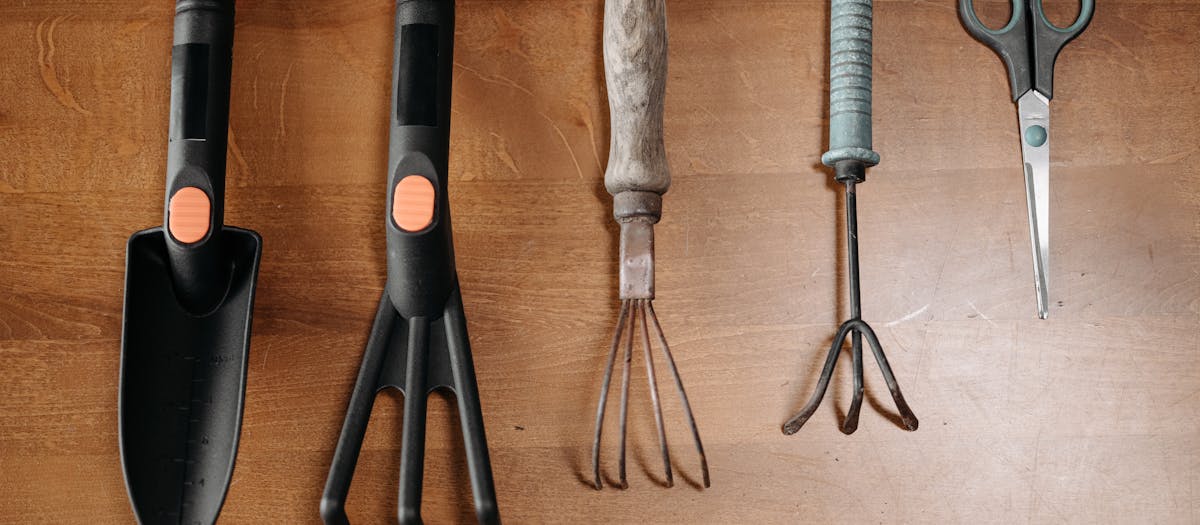
Garden tools are the kitchen scissors of the outdoors: bypass secateurs and shears cut like scissors, so the blade order is handed, and a right-handed pair makes a left-hander crush stems instead of slicing them. But the garden is also full of symmetric tools where a "left-handed" label is pure marketing. This guide explains the specs that separate a genuinely mirrored cutting tool from a relabelled one — handedness, tool type, blade, grip and build — then points you to picks for secateurs, shears and hand-tool sets once they are verified.
A note on how to read this. The column that matters first is Handedness — whether a tool is truly mirrored, genuinely ambidextrous, or a relabelled right-handed one. That is why it leads the comparison table. Read the framework, work out which tools in your shed actually need to be left-handed, then look at the picks.
How to choose left-handed gardening tools
Five things decide whether a garden tool genuinely suits a left-hander. Run any tool through these — they are exactly the columns in the comparison below.
Handedness — and which tools even have it
Read this column first. True left-handed means the blade and mechanism are mirrored — on bypass secateurs the cutting blade passes on the correct side for a left hand and the safety catch sits for the left thumb. Ambidextrous covers genuinely symmetric tools — anvil pruners, trowels, forks — that work either way with nothing to mirror. Mirrored / converted flags a right-handed tool relabelled as "suitable for either hand". For clean cutting you want True left-handed on the bypass tools; do not pay extra to "left-hand" a symmetric one. The complete lefty gear guide explains the labelling system in full.
Tool type — match it to the job
Garden cutting tools are not one product. Bypass secateurs handle living stems up to a finger's width. Long-handled shears trim hedges and reach. One-handed snips do deadheading and light work. Hand-tool sets bundle trowels and forks, which are mostly neutral. Buy the cutting tool for the cutting you do most, and treat bundled neutral tools as a bonus, not the point.
Blade — bypass, anvil, and steel
The blade decides the cut. Bypass blades pass each other like scissors and give the cleanest cut on living stems — this is the handed one. Anvil blades close onto a flat surface and are less handed but can crush green growth. Look for hardened, often coated steel that holds an edge and resists sap. The blade type is what makes a pruner left-handed or neutral.
Grip — sized and sprung for the hand
A good pruner grip fits the hand and has a spring that reopens the blades for you. Left-handed pruners put the safety catch where the left thumb can flick it, which a right-handed pair does not. Smaller-handed gardeners should look for a compact grip span, because a pruner too wide to close comfortably tires the hand fast.
Build — durability for outdoor use
Build is what survives the shed and the weather. Forged or quality-alloy bodies, replaceable blades and a reliable locking catch separate a tool that lasts years from one that seizes in a season. For a tool you use hard and leave outdoors, build quality earns its price.
The tools compared
A short list of widely available left-handed garden tools, compared on the five specs above — led by the Handedness label so you can see which are truly mirrored and which are symmetric. Specs are verified against manufacturer and Amazon listings — no hands-on testing claims, just the facts that decide the fit.
| Best for | Handedness | Tool type | Blade | Grip | Build |
|---|---|---|---|---|---|
| Best overall | True left-handed bypass | Bypass hand pruner / secateurs | Hardened carbon steel, 25mm (1") max cut, sap groove, wire-cutter notch | Forged aluminum handles, rubber shock absorber cushion, ergonomic angled head | Swiss-made, 8.3 inches, 245g, fully replaceable parts, lifetime handle warranty |
| Best budget | True left-handed bypass | Bypass hand pruner / secateurs | SK5 high carbon steel, 20mm (13/16") max cut, notched blade, sap groove | Cast aluminum handle, rubber shock absorbers, stepped locking catch | 8.46 inches, 10-year guarantee, drop-forged |
| Best for small hands | True left-handed bypass | Compact bypass pruner / secateurs | SK5 carbon steel, drop-forged, 20mm (13/16") max cut, sap groove | Cast aluminum, rubber shock absorbers, compact handle profile | 7.7 inches compact (vs 8.46" standard), 10-year guarantee, Kew Gardens licensed |
| Best shears | True left-handed | Bypass + anvil hand pruner (dual-action) | Hardened carbon steel, bypass + anvil dual-blade action, 25mm cutting capacity | Forged aluminum handle, ergonomic, lightweight | 7.7 inches, Swiss-made, lightweight, fully replaceable parts |
| Best tool set | True left-handed | Japanese-style weeding sickle / crack weeder | Carbon steel, one-piece casting, sharp and re-sharpenable | Hardwood handle, ergonomically designed | Approx 12.6 inches overall, lightweight |
Our top picks
Best overall: Felco F9 Pruning Shears – 8.3" Swiss-Made Left-Handed Garden Clippers with 1" Cutting Capacity | Hand Pruners for Gardening | Garden Tool Cutter with Precision Bypass Blade, Forged Aluminum Handles

Best overall
Felco F9 Pruning Shears – 8.3" Swiss-Made Left-Handed Garden Clippers with 1" Cutting Capacity | Hand Pruners for Gardening | Garden Tool Cutter with Precision Bypass Blade, Forged Aluminum Handles
Felco
- Handedness: True left-handed bypass
- Tool type: Bypass hand pruner / secateurs
- Blade: Hardened carbon steel, 25mm (1") max cut, sap groove, wire-cutter notch
- Grip: Forged aluminum handles, rubber shock absorber cushion, ergonomic angled head
- Build: Swiss-made, 8.3 inches, 245g, fully replaceable parts, lifetime handle warranty
- Best for: General pruning, woody stems
The Felco F9 is the gold-standard left-handed bypass pruner — the cutting blade sits on the LEFT side of the pivot, matching the natural left-hand cutting motion. Swiss-made with fully replaceable parts (blades, springs, screws), making it a decades-long tool rather than a disposable one.
Last checked 2026-05-21
Best budget: Spear & Jackson 6459BS Razorsharp Left-Handed Bypass Pruners

Best budget
Spear & Jackson 6459BS Razorsharp Left-Handed Bypass Pruners
Spear & Jackson
- Handedness: True left-handed bypass
- Tool type: Bypass hand pruner / secateurs
- Blade: SK5 high carbon steel, 20mm (13/16") max cut, notched blade, sap groove
- Grip: Cast aluminum handle, rubber shock absorbers, stepped locking catch
- Build: 8.46 inches, 10-year guarantee, drop-forged
- Best for: Home garden pruning on a budget
The Spear & Jackson Razorsharp delivers SK5 high carbon steel blades in a true left-handed bypass action at roughly a third of the price of the Felco F9. A 10-year guarantee at this price makes it the clear budget recommendation for left-handed pruning.
Last checked 2026-05-21
Best for small hands: Spear & Jackson Razorsharp Left-Handed Bypass Pruners, Precision Gardening Shears with Carbon Steel Blades for Clean, Effortless Cuts

Best for small hands
Spear & Jackson Razorsharp Left-Handed Bypass Pruners, Precision Gardening Shears with Carbon Steel Blades for Clean, Effortless Cuts
Spear & Jackson
- Handedness: True left-handed bypass
- Tool type: Compact bypass pruner / secateurs
- Blade: SK5 carbon steel, drop-forged, 20mm (13/16") max cut, sap groove
- Grip: Cast aluminum, rubber shock absorbers, compact handle profile
- Build: 7.7 inches compact (vs 8.46" standard), 10-year guarantee, Kew Gardens licensed
- Best for: Small hands or compact grip preference
The Kew Gardens Collection variant of the Spear & Jackson Razorsharp is 7.7 inches — measurably shorter than the 6459BS — making it the recommended pick for smaller hands or users who find standard secateurs hard to close fully. Same true left-handed bypass action and 10-year guarantee.
Last checked 2026-05-21
Best shears: Felco F16 Pruning Shears – 7.7" Garden Clippers for Left-Handed Users with Bypass & Anvil Blades | Hand Pruners for Gardening | Garden Tool Cutter with Aluminum Handle, Lightweight Swiss Precision

Best shears
Felco F16 Pruning Shears – 7.7" Garden Clippers for Left-Handed Users with Bypass & Anvil Blades | Hand Pruners for Gardening | Garden Tool Cutter with Aluminum Handle, Lightweight Swiss Precision
Felco
- Handedness: True left-handed
- Tool type: Bypass + anvil hand pruner (dual-action)
- Blade: Hardened carbon steel, bypass + anvil dual-blade action, 25mm cutting capacity
- Grip: Forged aluminum handle, ergonomic, lightweight
- Build: 7.7 inches, Swiss-made, lightweight, fully replaceable parts
- Best for: Versatile cutting — green stems and dead wood
The Felco F16 is the left-handed sibling of the F9 with a key mechanical difference: bypass + anvil dual-blade action, which handles both living green stems (bypass) and dried or dead wood (anvil) where a pure bypass blade would roll. Swiss-made with replaceable parts like all Felco tools.
Last checked 2026-05-21
Best tool set: KOOYORK Gardening Hand Tools, Garden Hoe for Weeding, Japanese Weeding Sickle, Left Hand Scythe Tool for Grass Cutting

Best tool set
KOOYORK Gardening Hand Tools, Garden Hoe for Weeding, Japanese Weeding Sickle, Left Hand Scythe Tool for Grass Cutting
KOOYORK
- Handedness: True left-handed
- Tool type: Japanese-style weeding sickle / crack weeder
- Blade: Carbon steel, one-piece casting, sharp and re-sharpenable
- Grip: Hardwood handle, ergonomically designed
- Build: Approx 12.6 inches overall, lightweight
- Best for: Weeding, grass cutting, soil loosening
The KOOYORK weeding tool is designed specifically for left-handed users, with blade geometry angled for left-hand cutting and weeding motion. It functions as a garden hoe, crack weeder, and Japanese-style sickle — making it a versatile multi-purpose hand tool for left-handed gardeners.
Last checked 2026-05-21
Who should buy what
Most gardeners
One pair of true left-handed bypass secateurs covers the everyday pruning that benefits from a mirrored blade. Confirm the Handedness label reads True left-handed and the catch is on the correct side, and you have the one tool in the shed that genuinely needs to be left-handed.
Hedge and shrub work
Add long-handled bypass shears for hedges and reach. The same scissor logic applies — a true left-handed pair cuts cleanly and lets you see the line, while a right-handed pair makes you twist and crush.
Smaller hands and lighter jobs
Look for a compact secateur with a smaller grip span, or one-handed snips for deadheading and light pruning. A tool you can close comfortably tires the hand far less over a long session than one stretched too wide.
The mistakes worth skipping
Garden tool shopping for a left-hander trips on the same few patterns as the kitchen, plus a couple of its own.
- Paying to "left-hand" symmetric tools. Trowels, forks, dibbers, rakes and spades have no working direction. A "left-handed" label on them is a tax, not a feature.
- Buying anvil pruners expecting a handedness benefit. Anvil pruners close onto a flat surface, so they are barely handed. If you want the left-handed advantage, you want bypass.
- Trusting "suitable for either hand". That phrase often hides a right-handed bypass blade. Check the cutting blade passes on the correct side and the catch sits for the left thumb.
- Ignoring grip span. A pruner too wide to close comfortably tires the hand fast. Smaller hands should look for a compact span, handedness aside.
- Overlooking build on a tool left outdoors. A forged body, replaceable blade and reliable catch are what separate a tool that lasts years from one that seizes in a season.
Where garden tools fit in a left-handed kit
Secateurs are the garden's version of scissors, and the mechanics are identical — which is why the clearest primer for understanding them is our flagship best left-handed scissors guide. If a tool has a passing blade, the same rule decides it: true mirrored beats relabelled every time. For the rest of the garden and the hobby end — shears, fishing reels, golf and archery — see the left-handed outdoors hub.
Frequently asked questions
Do left-handed gardening tools really make a difference?
For bypass secateurs and shears, yes — they cut like scissors, so the same handedness logic applies. On a right-handed pair, a left-hander squeezes the blade slightly open and crushes the stem rather than slicing it, and the safety catch sits awkwardly for the wrong thumb. A true left-handed pair mirrors the blade and the catch so the cut is clean and you can see the stem. For symmetric tools like trowels and forks, handedness makes no difference at all.
What is the difference between bypass and anvil pruners for a left-hander?
Bypass pruners work like scissors: a sharp blade passes a curved hook, so they are genuinely handed and a left-hander benefits from a true left-handed pair. Anvil pruners close a single blade onto a flat anvil, so they are far less handed and many work fine in either hand. If you want a clean cut on living stems, bypass is the choice — and that is where the left-handed version matters most.
Which garden tools are worth buying left-handed?
The ones with a passing blade: bypass secateurs, one-handed snips, and long-handled bypass shears. The safety catch on pruners also sits for one thumb, which a true left-handed pair fixes. Beyond cutting tools, most of the garden is neutral — trowels, forks, dibbers, rakes and spades have no working direction, so a "left-handed" label on them is marketing rather than design.
Are there many true left-handed secateurs available?
Fewer than right-handed, but the good news is that a couple of well-regarded brands make genuinely mirrored bypass secateurs, and the market has more options than it did a few years ago. The thing to watch is "ambidextrous" or "suitable for either hand" pruners, which often keep a right-handed blade. Check that the cutting blade passes on the correct side for a left hand before you pay a premium.
Can a left-hander use right-handed secateurs?
You can, and gardeners with right-handed pruners adapt, but a left-hander squeezing a right-handed bypass pair tends to twist the blades apart and crush rather than slice, which bruises the stem and tires the hand over a long pruning session. For occasional use it is tolerable; for regular pruning, a true left-handed pair gives cleaner cuts and far less fatigue.
How do I check a listing is genuinely left-handed?
Look at the cutting blade in the photo and which side it passes on, and find the safety catch — on a true left-handed pair it sits for the left thumb. Read the left-handed reviews, where other lefty gardeners say plainly whether a pair is the real thing or just relabelled. Sellers sometimes list a standard symmetric tool or a right-handed pruner as "left-handed", so the picture and the reviews are your best checks.