Best left-handed scissors
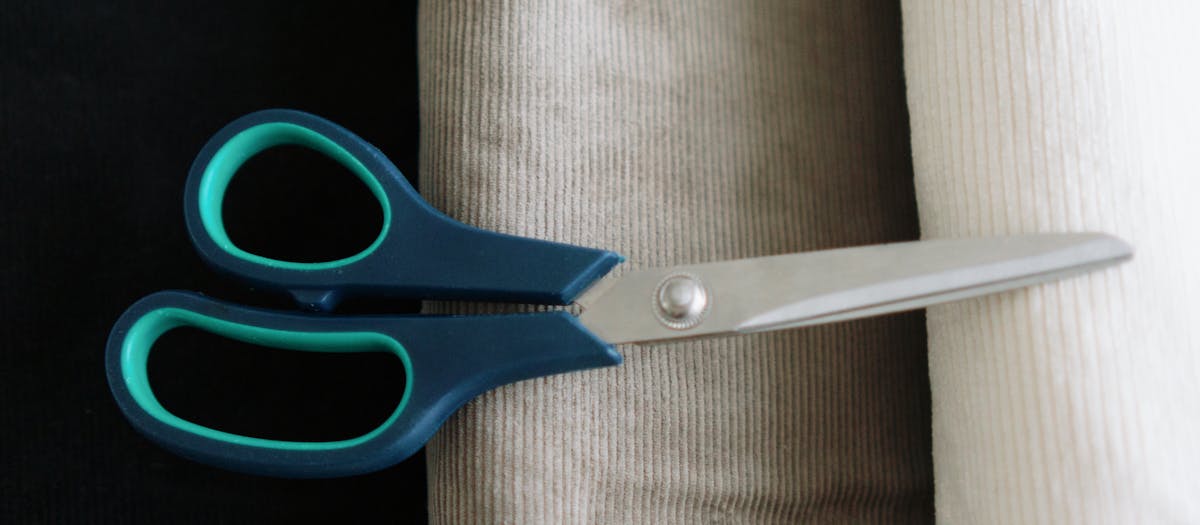
Scissors are the single most worthwhile left-handed purchase most people will ever make, and the easiest one to get wrong. The trap is that many "left-handed" scissors only have symmetric handles — the blades are still set in the right-handed order, which is the part that actually decides whether you can cut a clean line. This guide explains the specs that separate a genuinely mirrored pair from a relabelled one, then points you to picks for everyday use, fabric, kids and the kitchen once they are verified.
A note on how to read this. The one spec that matters more than any other is Handedness — whether the blades are truly mirrored, the handle is merely ambidextrous, or the pair is a right-handed item relabelled. That is why it sits as its own column in the comparison below. Read the framework first, decide which type of scissors you need, then look at the picks.
How to choose left-handed scissors
Five things decide whether a pair of scissors genuinely suits a left-hander. Run any pair through these — they are exactly the columns in the comparison below.
Handedness — the spec that actually matters
This is the column to read first, and our three labels do the work for you. True left-handed means the blades are physically reversed — the upper blade sits on the left, the bevel is mirrored, and your squeeze pulls the blades together so they slice cleanly. Ambidextrous usually means symmetric handles over right-handed blades, which fixes comfort but not cutting. Mirrored / converted flags a relabelled right-handed pair. For real left-handed cutting you want True left-handed; treat the other two with care. The complete lefty gear guide explains the labelling system in full.
Blade — chirality, bevel and steel
On a true left-handed pair the cutting edges are ground as a mirror image of a right-handed pair, so the blades shear cleanly when squeezed by a left hand. Look for stainless steel for everyday durability, and for fabric work a longer, finely ground blade that slices rather than chews. The blade — not the handle — is what makes scissors left-handed.
Use — match the pair to the job
Scissors are not one product. All-purpose scissors handle paper, packaging and household tasks. Fabric shears are longer and sharper for cutting along a marked line. Kids' scissors are short with rounded safety tips. Kitchen shears are heavier, often come apart for cleaning, and may crack nuts or snip herbs. Buy for the job you do most.
Handle — moulded for the correct thumb
A good left-handed pair moulds the handle for the left thumb, so the larger loop sits where your thumb naturally goes. Soft-grip handles add comfort for long sessions. But remember: a comfortable handle on right-handed blades is still right-handed scissors. Handle comfort is a bonus, not the point.
Size — fit to the hand and the task
Size is about fit. All-purpose adult scissors run around eight inches, fabric shears longer, and children's scissors five to six inches for small hands. A pair that is too big is awkward and a pair that is too small tires the hand. Match the length to the hand using it and the length of cut you make.
The scissors compared
A short list of widely available left-handed scissors, compared on the five specs above — starting with the Handedness label so you can see at a glance which are truly mirrored. Specs are verified against manufacturer and Amazon listings — no hands-on testing claims, just the facts that decide the fit.
| Best for | Handedness | Blade | Use | Handle | Size |
|---|---|---|---|---|---|
| Best overall | True left-handed | Stainless steel, reversed blade orientation (left blade on top) | General purpose — fabric, paper, craft, kitchen, garden | Soft-grip comfort, ergonomic larger bottom loop for left hand | 8 inches |
| Best fabric / sewing | True left-handed | High-grade stainless steel, reversed blade orientation, bent lower blade | Fabric, sewing, craft, paper cutting | Bent ergonomic handle, soft comfort grip, red | 8 inches |
| Best budget | True left-handed | Stainless steel, reversed safety-edge blades, pointed tip | Paper, light craft, school projects | Softgrip, kids-sized loops, color varies | 5 inches |
| Best for kids | True left-handed | Stainless steel, blunt safety tip, reversed blade orientation | Kids school craft, preschool training, paper cutting | Soft-grip blue, sized for small hands ages 3–8 | 5.5 inches |
| Best kitchen | True left-handed | Japanese stainless steel, micro-serrated, come-apart design | Kitchen — poultry, meat, herbs, food prep | Heavy-duty plastic, come-apart for cleaning, dishwasher safe | 8.75 inches |
Our top picks
Best overall: Lefty's Left Handed Scissors - Stainless Steel Durable Blades - Great for Sewing, Cutting Fabric, Kitchen, General Purpose, School items - Gifts for Left-Handed People, Adults, Student, Men and Women

Best overall
Lefty's Left Handed Scissors - Stainless Steel Durable Blades - Great for Sewing, Cutting Fabric, Kitchen, General Purpose, School items - Gifts for Left-Handed People, Adults, Student, Men and Women
Lefty's
- Handedness: True left-handed
- Blade: Stainless steel, reversed blade orientation (left blade on top)
- Use: General purpose — fabric, paper, craft, kitchen, garden
- Handle: Soft-grip comfort, ergonomic larger bottom loop for left hand
- Size: 8 inches
- Best for: Everyday all-purpose cutting
Lefty's makes scissors exclusively for left-handed users, with the blade orientation genuinely reversed so the left blade stays on top — giving full cut-line visibility in the left hand. The handle geometry is also designed for left-hand ergonomics, not just a mirrored grip.
Last checked 2026-05-21
Best fabric / sewing: Fiskars Left-Handed Scissors, Precision Cutting for Craft Fabric Paper, Ergonomic Comfort Grip, Stainless Steel, 8", Red

Best fabric / sewing
Fiskars Left-Handed Scissors, Precision Cutting for Craft Fabric Paper, Ergonomic Comfort Grip, Stainless Steel, 8", Red
Fiskars
- Handedness: True left-handed
- Blade: High-grade stainless steel, reversed blade orientation, bent lower blade
- Use: Fabric, sewing, craft, paper cutting
- Handle: Bent ergonomic handle, soft comfort grip, red
- Size: 8 inches
- Best for: Fabric cutting and sewing
Fiskars' flagship left-handed scissors feature true reversed blades and a bent-handle design that keeps fabric flat on a surface for precise cuts — the key distinction for sewers. The bent lower blade maintains a parallel cutting angle when fabric lies on a table.
Last checked 2026-05-21
Best budget: Fiskars 5" Left-Handed Softgrip Pointed-Tip Scissors for Kids 4+ - Scissors for School or Crafting - Back to School Supplies - Color May Vary

Best budget
Fiskars 5" Left-Handed Softgrip Pointed-Tip Scissors for Kids 4+ - Scissors for School or Crafting - Back to School Supplies - Color May Vary
Fiskars
- Handedness: True left-handed
- Blade: Stainless steel, reversed safety-edge blades, pointed tip
- Use: Paper, light craft, school projects
- Handle: Softgrip, kids-sized loops, color varies
- Size: 5 inches
- Best for: Budget light cutting
At under $7, these Fiskars left-handed scissors are the cheapest true left-handed pair available on Amazon — using the same reversed-blade engineering Fiskars applies across its professional range. Marketed for kids ages 4+ but functional for adults with light cutting needs.
Last checked 2026-05-21
Best for kids: Lefty's Left Handed Scissors for Kids Ages 3-8 Blue - Blunt Tip Stainless Steel Soft Grip - Back to School, Preschool Training, General Purpose - Gifts for Left-Handed People, Lefty Students & Childs

Best for kids
Lefty's Left Handed Scissors for Kids Ages 3-8 Blue - Blunt Tip Stainless Steel Soft Grip - Back to School, Preschool Training, General Purpose - Gifts for Left-Handed People, Lefty Students & Childs
Lefty's
- Handedness: True left-handed
- Blade: Stainless steel, blunt safety tip, reversed blade orientation
- Use: Kids school craft, preschool training, paper cutting
- Handle: Soft-grip blue, sized for small hands ages 3–8
- Size: 5.5 inches
- Best for: Young children (ages 3–8)
Lefty's dedicated left-handed scissors for children ages 3–8 feature blunt safety tips and a genuinely reversed blade orientation — not just mirrored handles. The brand only makes left-handed products, so the left-hand engineering is built-in by design.
Last checked 2026-05-21
Best kitchen: Lefty's Left Handed Kitchen Scissors - Stainless Steel Heavy Duty General Purpose Shears - Dishwasher Safe Easy to Clean - Ultra Sharp - Great Gift For Left-Handed People Lefties Adults & Women

Best kitchen
Lefty's Left Handed Kitchen Scissors - Stainless Steel Heavy Duty General Purpose Shears - Dishwasher Safe Easy to Clean - Ultra Sharp - Great Gift For Left-Handed People Lefties Adults & Women
Lefty's
- Handedness: True left-handed
- Blade: Japanese stainless steel, micro-serrated, come-apart design
- Use: Kitchen — poultry, meat, herbs, food prep
- Handle: Heavy-duty plastic, come-apart for cleaning, dishwasher safe
- Size: 8.75 inches
- Best for: Kitchen food preparation
Lefty's kitchen shears use Japanese stainless steel micro-serrated blades in a true left-handed blade orientation, with a come-apart design for easy dishwasher cleaning. Heavy-duty construction handles poultry, packaging, and herbs without fatigue.
Last checked 2026-05-21
Who should buy what
Most left-handers
One true left-handed all-purpose pair does the everyday job — paper, packaging, household tasks — and is the right first buy for almost anyone. Confirm the Handedness label reads True left-handed, not just ambidextrous handles, and you are done.
People who sew or craft
Fabric shears are where handedness matters most, because you cut along a line you need to see. A true left-handed dressmaking shear lets the fabric fall to the correct side and slices cleanly through layers. If you sew regularly, this is close to essential, not optional.
Parents of left-handed kids
Buy a true left-handed children's pair sized for small hands, with rounded safety tips. It removes the most common classroom frustration for lefty kids — being unable to see the line — and it is the single most useful thing to buy a left-handed child before school.
The mistakes worth skipping
A few patterns trip up left-handers shopping for scissors again and again. None are hard to avoid once you know them.
- Buying on the handle, not the blade. Soft symmetric handles feel nice in the shop, but they do nothing for the cut. Check the blade order first, every time.
- Trusting the title over the photo. Listings reuse right-handed product images on "left-handed" pages. If the pictured upper blade is on the right, it is a right-handed pair, whatever the title claims.
- Paying a premium for "ambidextrous". An ambidextrous pair that keeps right-handed blades is the clearest lefty tax in this category. Pay for mirrored blades, not symmetric grips alone.
- Giving a left-handed child right-handed classroom scissors. It is the most common and most avoidable source of cutting frustration for lefty kids. A true left-handed children's pair fixes it for the price of a sandwich.
- Over-buying. You do not need a left-handed everything. One good all-purpose pair, plus fabric or kitchen shears only if you do those jobs, covers almost everyone.
Where scissors fit in a left-handed kit
Scissors are the gateway purchase — the moment a left-hander realises how much the right-handed default has quietly cost them. Once the kitchen is sorted, the same labelling logic carries to the desk, where a left-handed mouse is the next most-used tool worth getting right. And the left-handed kitchen hub covers the can openers and knives where handedness also genuinely matters.
Frequently asked questions
Are left-handed scissors really different, or is it marketing?
They are genuinely different, and it is the clearest case in the whole left-handed world. On true left-handed scissors the blades are reversed so the upper blade sits on the left. That does two things: it keeps your line of sight to the cut clear, and it means your natural left-hand squeeze pushes the blades together rather than apart. A right-handed pair used in the left hand bends the paper instead of slicing it and hides the line. The handles may also be moulded for the opposite thumb.
What is the difference between "true left-handed" and "ambidextrous" scissors?
True left-handed scissors have the blades physically reversed — the upper blade is on the left and the bevel is mirrored. Ambidextrous scissors usually have symmetric handles you can hold in either hand, but the blades are still set in the right-handed order. So an ambidextrous pair fixes the handle comfort but not the cutting action, which is the part that actually matters. For real left-handed cutting, you want true left-handed blades, not just ambidextrous handles.
How can I tell if a pair is genuinely left-handed before I buy?
Look at the blades in the photo, not the handles. Hold them as if cutting: on true left-handed scissors the blade on top is the one on your left. If the upper blade is on the right, it is a right-handed pair however the listing is titled. Also read the left-handed reviews — other lefties say plainly whether a pair is truly mirrored. Sellers sometimes reuse right-handed photos on a "left-handed" listing, so the picture is your best check.
Do left-handed children really need left-handed scissors?
Yes, more than adults do. A left-handed child handed right-handed classroom scissors cannot see the line they are cutting and ends up twisting their wrist or switching hands, which is a common and avoidable source of frustration. A true left-handed children's pair, sized for small hands and with rounded safety tips, removes that problem entirely. It is the single most useful thing to buy a left-handed kid before school.
Can a left-hander just use right-handed scissors?
Many do, out of habit, and adapt by twisting the wrist or pushing the blades together by hand. It works, but it is slower, less accurate and more tiring, and on fabric or thick paper a right-handed pair in the left hand simply will not cut a clean line. If you cut often — sewing, crafts, kitchen prep — a true left-handed pair is a real, daily improvement, not a luxury.
Are left-handed scissors more expensive?
A little, sometimes, because they are made in smaller runs. But the premium for a genuinely mirrored pair is modest and worth it. Where you should be careful is paying extra for an "ambidextrous" pair that fixes only the handle — that can be a lefty tax, because you are paying more for symmetric grips while keeping right-handed blades. Pay for mirrored blades; do not pay for symmetric handles alone.
What about fabric and sewing scissors specifically?
Fabric shears are where handedness matters most, because you cut along a marked line and need to see it. A true left-handed dressmaking shear lets you follow the line with the fabric falling to the correct side, and the blade geometry slices cleanly through layers. A right-handed pair forces you to cut blind or flip the fabric. For anyone who sews, true left-handed fabric shears are close to essential.